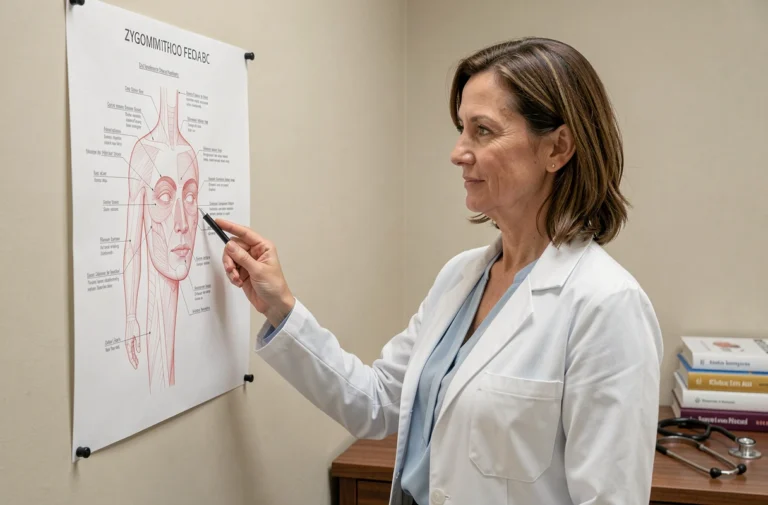
Massage is often associated with muscle relaxation or relief from localized pain. The question here is different: through what mechanisms does touch affect the emotional sphere, and what do we really know about these effects beyond the subjective feeling of well-being?
Massage and emotional balance: what the data allow us to compare
Several types of touch are used in bodywork practice. Their claimed effects on an emotional level vary according to the technique, intensity, and context of the session. The table below summarizes the distinctions commonly made between three categories of touch taught in massage schools.
| Type of touch | Main mode of action | Claimed emotional effect |
|---|---|---|
| Structural touch (shiatsu, Thai massage) | Joint mobilization, pressure on physical tensions | Release of accumulated stress in the muscles, sensation of lightness |
| Emotional touch (helping relationship through touch) | Soft and empathetic contact, body listening | Release of emotional blockages stored in the body |
| Energetic touch (polarities, reiki) | Light contact on meridians or chakras | General harmonization, calming of the mind |
These categories come from practical teaching, not from a clinical research framework. Evidence of a lasting effect on emotional balance remains limited: testimonials of relaxation do not, by themselves, demonstrate a prolonged benefit. This nuance is rarely addressed in competing articles, which quickly shift from momentary feelings to therapeutic promises.
To learn more about La Table De Massage and the link between touch and well-being, several resources detail these technical distinctions.
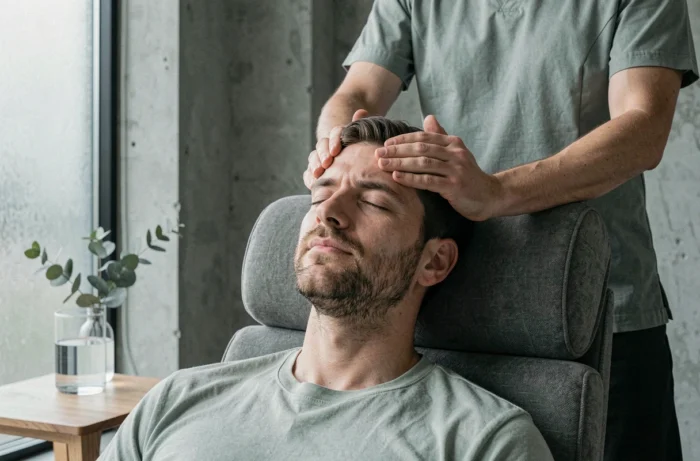
Emotional reaction during a massage: physiological mechanisms at play
Touch activates skin receptors that transmit signals to the central nervous system. The skin, the largest organ of the human body, is also the first sensory organ to develop during fetal life. This biological precedence partly explains why physical contact maintains a role in emotional regulation throughout life.
What happens concretely under the skin
When pressure is applied to the tissues, the parasympathetic nervous system tends to activate. Heart rate slows down, breathing deepens, and the production of stress-related hormones decreases. This nervous shift is the main vector of the emotional relaxation felt during and after a massage.
Unexpected emotions may also arise during a session: tears, feelings of vulnerability, memories resurfacing. This phenomenon, documented by practitioners, does not have a scientifically established mechanism definitively. The most common hypothesis is based on the idea that chronic muscle tensions may be associated with repressed emotional states, and that their release frees these stored emotions.
A real effect, but a nuanced framework of evidence
The observed results often concern specific care contexts (hospitalized patients, people in rehabilitation). They do not allow us to conclude that a massage will have the same effect on every healthy person. Caution is warranted before extrapolating a universal emotional benefit.
Consent and emotional safety: an underestimated aspect of massage
The emotional dimension of touch involves a specific responsibility for the practitioner. Professional recommendations emphasize a point that wellness articles rarely address: consent must remain continuous throughout the session, and not be limited to the agreement given at the start.
- The receiver can ask questions, request an adjustment of pressure or the area being worked on at any time during the session.
- An unexpected emotional reaction (discomfort, rising anxiety) justifies a pause or stop, even if the massage has been underway for a long time.
- The trained practitioner adapts their approach based on verbal and non-verbal signals, without forcing a predefined protocol.
This ethical framework is codified in the charters of several professional massage therapy organizations. It distinguishes a massage that respects emotional integrity from one that merely follows a technique.

Health precautions and limits of massage on an emotional level
Massage is not suitable for all situations. Adaptations or contraindications exist in cases of illness or pregnancy, and rare serious complications have been reported, particularly after sessions on individuals with pre-existing conditions.
On an emotional level, the main limit lies in the confusion between relaxation and psychological care. A massage can accompany work on emotions, but it neither replaces psychotherapy nor medical follow-up in cases of diagnosed anxiety or depressive disorders. Presenting massage as a treatment for mental health would be an unfounded extrapolation based on the available data.
- The effects felt (calmness, release, sensation of reconnection to the body) are real but often temporary.
- The regularity of sessions can prolong these effects, without solid data on the appropriate frequency.
- The environment of the session (calm, trust in the practitioner, absence of pain) directly influences the perceived emotional impact.
Touch remains a powerful lever for momentary emotional regulation. The key takeaway is this: the emotional benefits of massage are well documented as a subjective experience, much less as a measurable and lasting effect. Keeping this distinction in mind allows one to fully enjoy a session without expecting what it cannot offer.