A cheap potting soil doesn’t tell the whole story. At first glance, their composition sometimes seems to mirror that of professional products, displaying promising labels and enticing growth rates, especially in supermarket aisles. But in practice, the difference becomes apparent as soon as the first seeds poke their heads up.
The “universal” substrates and those designed for seedlings do not offer the same guarantees. Everything hinges on the fineness of the grain, organic richness, and the balance of fertilizers. This is where the vigor of young shoots is born or stifled.
What types of Lidl potting soils for seedlings and the garden: overview and uses
To choose a Lidl potting soil bag suitable for seedlings, you first need to understand the reality of your vegetable garden, your containers, and the crops to be started. In the aisles, two main families stand out:
- the universal potting soil, recognizable by the mention “universal Lidl”
- potting soils specially formulated for seedlings or fragile young plants
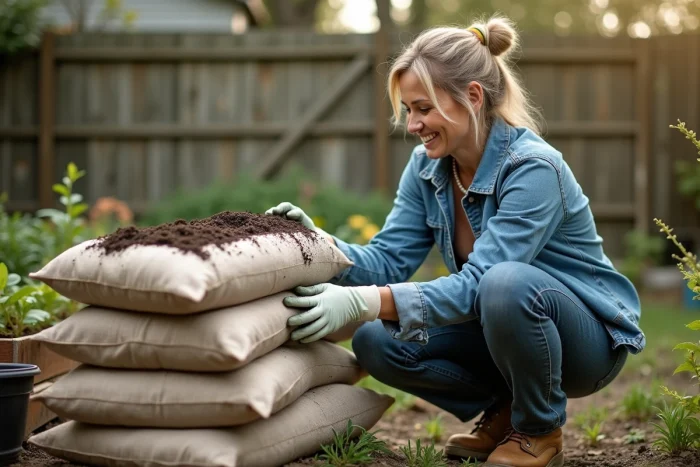
The Lidl universal potting soil is clearly aimed at those who want to nourish flower beds, green plants, annual flowers, or a starting vegetable garden. It relies on a mix of peat and mature compost, sometimes with a hint of slow-release fertilizer. This choice ensures good water retention, a stable structure, and the supply of organic matter essential for root growth. Convenient for planting in the ground or filling a container on the terrace.
But as soon as you tackle demanding seedlings, it’s better to aim for a fine and even texture: some bags carry the label “seedling special,” usually thanks to an increased dose of blonde peat. This provides a light, well-aerated substrate that limits compaction and allows fragile root hairs to breathe. A hint of organic fertilizer is enough; too much, and the risk of burning looms.
| Type of Lidl potting soil | Recommended uses | Main composition |
|---|---|---|
| Universal | Indoor plants, flower beds, vegetable garden | Peat, compost, fertilizer |
| Seedling special | Seedlings, sensitive young plants | Blonde peat, organic matter |
Each of these potting soils has a specific purpose. For seedlings, it is important to monitor the fineness of the substrate and its ability to retain moisture without excess. A Lidl potting soil bag suitable for seedlings must provide a favorable ground for rooting, without an overload of fertilizer or excessive water retention. Those who sow know that everything hinges on this stage: a subtle balance between aeration, lightness, and nutrition is needed to give each seed the chance to start without hindrance.
Lidl potting soil versus major brands: how do quality and price compare?
On the shelves, Lidl potting soil has carved out a prime spot for those looking to manage their budget without sacrificing their garden’s potential. Its appeal lies in this compromise between an affordable price and a fairly stable quality. Peat, organic matter, a breathable structure, and often an organic fertilizer that supports recovery: the promise of a potting soil that gets the job done, from sowing to mature plant.
Tests conducted in France highlight the consistency of its grain size, a crucial point for seedlings or indoor plants. Some bags display the RPP (responsibly produced peat) label, proof of more responsible peat management, reassuring those who scrutinize traceability and environmental impact. In the garden, Lidl seedling potting soil performs honorably, promoting rooting without asphyxiation or capricious germination.
Strengths and limitations according to reviews
- Price: undeniable advantage, especially in bulk.
- Quality of the substrate: regular texture, suitable for frequent uses.
- Absence of certain additives or enhancements found in more specialized references.
Some feedback nuances the picture: consistency can vary from batch to batch. The most meticulous examine the composition, cross-check local reviews, compare technical sheets, and the origin of raw materials before finalizing their choice. In short, for an informed buying guide, it’s better to scrutinize the characteristics of the bag rather than relying on the first label encountered.
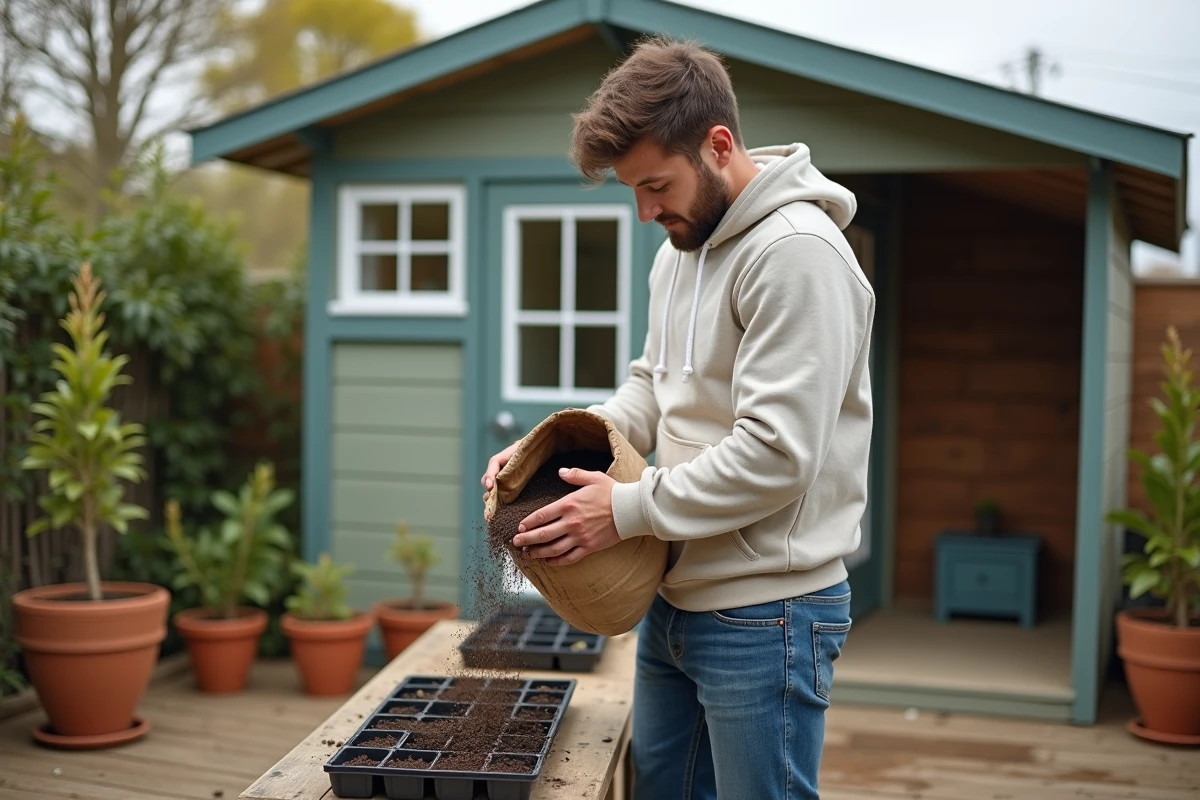
Choosing the right bag to succeed in your sowing: practical advice and points of caution
Sowing requires method and precision. The substrate directly influences the health of young shoots, their ability to root, and resist diseases. To navigate this, you need to identify the mention of organic matter from compost or peat, sometimes enriched with coconut fiber for a lighter texture, a real plus for seed germination. The versions intended for seedlings at Lidl focus on a fine grain size, which minimizes the risk of blockage or suffocation of roots.
When purchasing, the composition of the bag should be clear: proportion of peat, fertilizer, additives. Avoid large chunks or debris that complicate germination. Regular users prefer a well-aerated potting soil: water circulates, air too, limiting fungal diseases. A hint of discreet organic fertilizer can give a boost to the first shoots.
Criteria to watch for
- Texture: fine and homogeneous, essential for fragile seedlings.
- Water retention: avoid saturation or dryness, conditions for vigorous roots.
- Adaptation: some bags specifically target indoor plants or the vegetable garden.
For each use, it’s about adjusting the choice of potting soil to the plant. Flowers, vegetables, young plants: not all require the same base. Beyond the price, check the freshness of the bag, the absence of suspicious odors, and adherence to usage instructions. With a well-chosen substrate, the success of a seedling hinges on the details, and the first germination is no longer a gamble, but a first step towards a robust and lively garden.